

The key signs that an employee is stealing time at work include frequent breaks, inflated timesheet hours, and excessive personal activities. You may also find that they’re letting a fellow employee punch them in, or they aren’t pulling their weight at work.
As per a Zippia survey, the average worker only spends 4 hours and 12 minutes actively working during an eight-hour workday. Some spend that time surfing the internet, while others waste time until their next task.
Here are five signs that can help you identify employee time theft in your workplace.
What Is Considered Stealing Time at Work?
Stealing time at work occurs when an employee is paid for hours they did not actually work. They may also have misused work hours in a way that impacts company productivity. Common examples include:
- Taking unapproved or extended breaks
- Falsifying timesheets or rounding up hours
- Excessive socializing or personal tasks
- Arriving late or leaving early, but lying about their hours
Time theft also includes more subtle behaviors such as dragging out tasks or appearing busy without producing meaningful work. These behaviors reduce workplace productivity and create unfair workloads for dedicated employees.
Improving workplace efficiency means addressing time theft, such as limiting smartphone access during work hours or avoiding unnecessary meetings.
Five Signs of Employee Time Theft
The key to stopping time theft is to recognize patterns early and document evidence as you see it. As a result, tracking time is especially difficult for remote workers.
Here are five signs of employee dishonesty regarding work hours.
1. Frequent and Unexplained Long Breaks
Employees who exceed scheduled break times without a legitimate reason may be engaging in time theft. Occasional extended breaks can happen, but consistent patterns are strong indicators of stealing time at work.
This kind of behavior disrupts workflow, burdens coworkers, and reduces productivity across the team. A good practice is to monitor break patterns through time-tracking software.
2. Inflated Hours on Timesheets
Falsifying timesheets is one of the most direct forms of employee time theft. This may include employees logging hours they didn’t work, rounding up excessively, or claiming they were working when they were not.
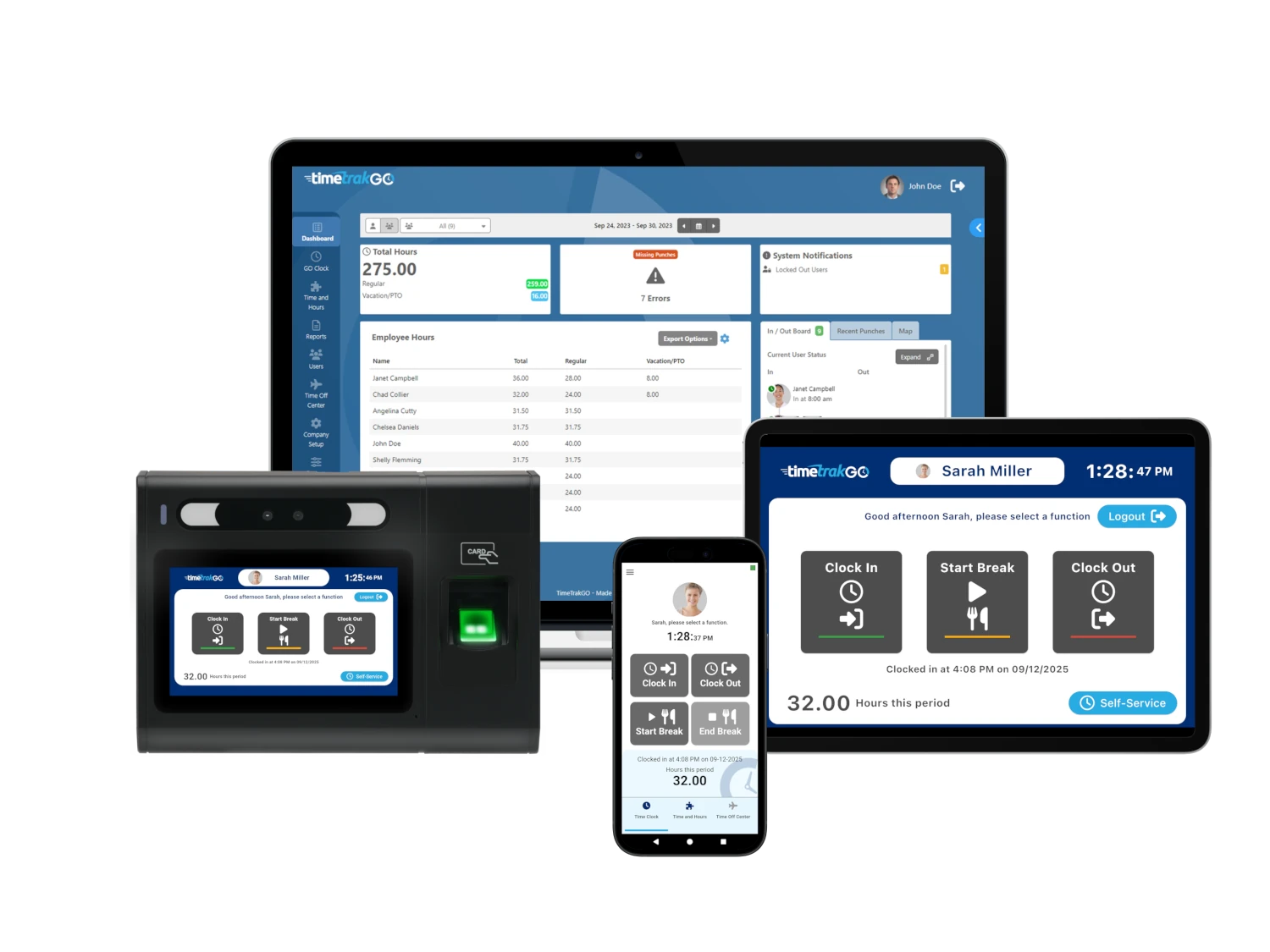
Digital time-tracking tools make detecting theft easier by recording clock-ins and clock-outs. Inflated reporting may show if timesheet data conflicts with activity logs or supervisor observations.
3. Excessive Personal Activities During Work Hours
Every workplace allows some level of personal activity. However, excessive phone use, social media scrolling, or side business tasks during work hours disrupt productivity. When employees spend large portions of their day distracted, it’s a major sign of employee dishonesty regarding their paid time.
Recognizing this type of time theft requires understanding how employees use their workday. Watch for behavior such as failing to meet deadlines or being unavailable when needed.
4. Buddy Punching or Unauthorized Clock-Ins
Buddy punching is when an employee clocks in or out for another employee. This is a serious form of time theft, as it can inflate recorded work time and cause significant financial loss. This behavior also signals a deeper cultural issue if employees are comfortable violating company policy.
Biometric clock-in systems and digital verification tools can reduce buddy punching. A strong sign of this problem is when employees are marked present when supervisors know they are not.
5. Low Workplace Productivity Despite Long Recorded Hours
When an employee consistently shows high hours but low output, this discrepancy may indicate time theft. Look for signs like frequent idle time, chronic procrastination, or intentionally stretching tasks out.
Tracking output compared to recorded hours is crucial for improving workplace efficiency. Large gaps between hours worked and results achieved can signal that time is being misused.
How to Prove an Employee Is Stealing Time?
Detecting time theft is possible using accurate time-tracking tools. You can also:
- Compare time records with productivity measures
- Conduct observations and audits
- Interview the employee
- Follow company policies
A big part of noticing time theft is through consistent observation. Supervisors should observe work patterns, assess idle periods, and review logs for inconsistencies. Ask employees for clarification when patterns arise, as not all time theft is intentional.
Documentation must align with workplace guidelines and legal standards. Employers should avoid accusations without verifiable evidence. Stay consistent and transparent to protect both the employer and employee.
Frequently Asked Questions
How Common Is Employee Time Theft?
Time theft is more common than many employers realize. Well over half of employees admit to occasionally misusing work time, with some doing so daily. The impact on workplace productivity can be substantial, especially in larger organizations.
Is Time Theft Always Intentional?
Although payroll theft is one of the most common types of workplace theft, it’s not always intentional. Some employees may not view extended breaks or distractions as time theft, especially in casual or understaffed environments.
Others may struggle with task management or unclear expectations. Many employees will tread water between tasks or while waiting for new instructions.
Understanding intent can help determine the appropriate corrective action.
What Industries Experience the Most Employee Time Theft?
Retail, hospitality, and construction often see higher rates. The same goes for manufacturing and remote work environments. Jobs with less supervision or manual time-tracking methods are more susceptible.
It’s important to find a way to monitor employees in these roles to make sure they don’t waste time or take frequent breaks.
How Should Employers Address Time Theft?
The best approach is to emphasize fairness, clear expectations, and accountability. Address behaviors privately and focus on documented evidence. Maintain respectful communication and create balanced policies for employees.
Keeping Employees On Task
Detecting time theft requires both awareness and structure. Recognizing when employees are stealing time at work is also made much easier when you have accurate records of their clock-in and clock-out behavior. Combine all of your observations to make accurate assessments before you address the issue.
TimeTrak® can help you with everything from time clock options to paid time off tracking. They allow for advanced employee time tracking and an automated point system that automates time-consuming attendance policies. Contact us with your support case and try us out for 14 days free.