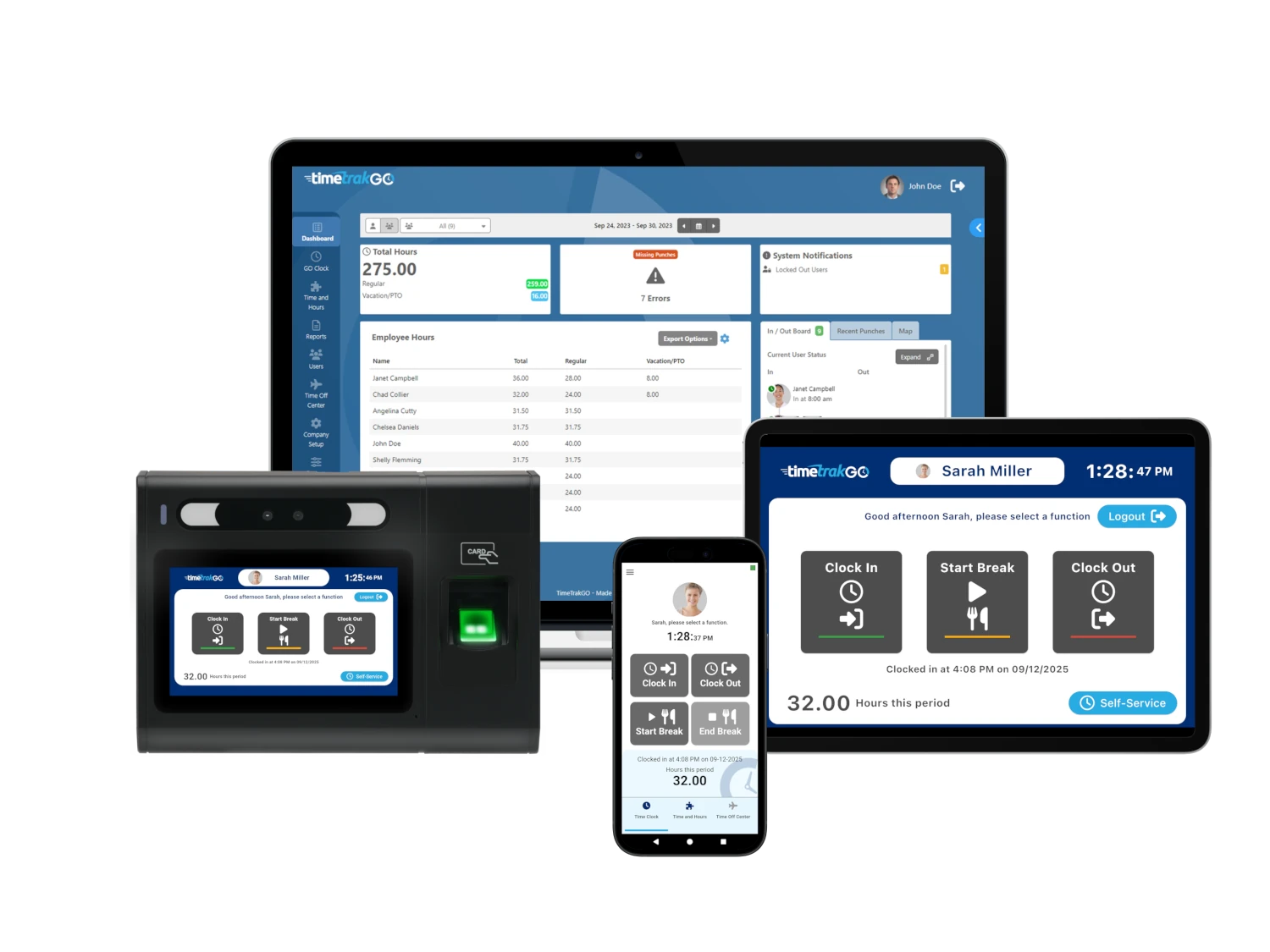

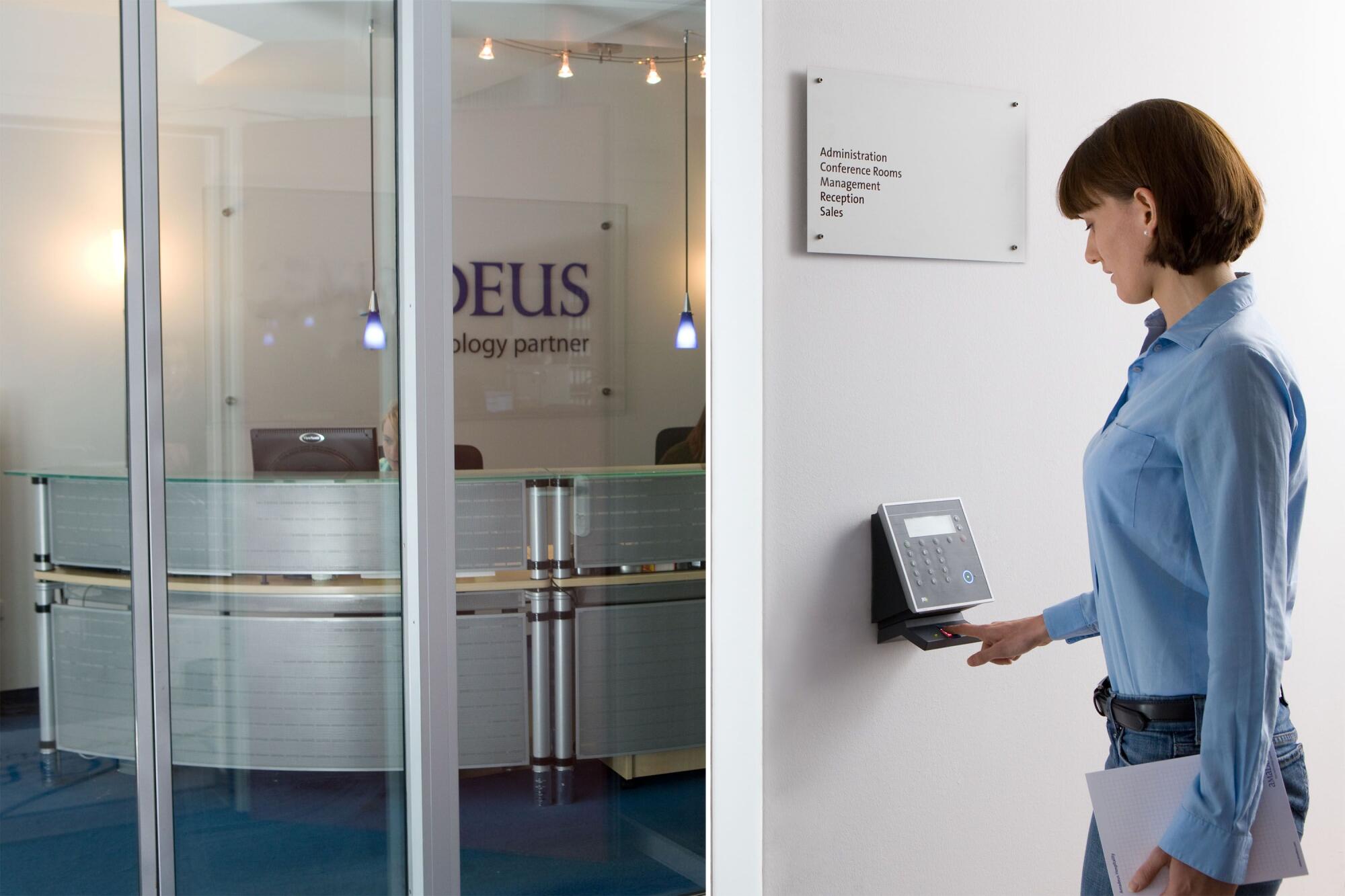
Biometric time attendance systems help manufacturers improve payroll accuracy while reducing timekeeping errors. Consistent time data supports fair compensation and strengthens confidence in payroll records.
According to data from the U.S. Bureau of Labor Statistics, the U.S. Manufacturing Sector employed approximately 12.6 million laborers (as of April 2026), representing around 9% of total U.S. employment. Manufacturing labor tracking has become increasingly important as companies modernize payroll without compromising labor compliance.
Modernizing shop floor time clocks is a critical step in updating payroll operations across manufacturing facilities. Addressing hardware deployment friction early ensures new systems can be implemented without unnecessary delays or workforce disruption.
How Do Biometric Time Attendance Systems Affect Union Workforce Accountability?
AFL-CIO reports that 16.5 million U.S. workers were covered by union contracts in 2025. Union workers account for 11.2% of the wage and salary workforce.
Biometric time attendance systems create accurate records of employee hours through modalities such as:
- Fingerprints
- Facial recognition
- Iris scanning
- Palm recognition
Biometric data is unique to each worker, so it reduces disputes over time entries. Automated systems help union facilities maintain accountability and support fair payroll practices.
Digital records provide transparent data. Accurate timekeeping improves trust between employees and management during payroll modernization efforts.
What Is the Best Approach to Union Payroll Integration Across Multiple Facilities?
Union payroll integration requires consistent processes across every facility. Adopting standardized systems helps manufacturers manage:
- Employee hours
- Wage rules
- Contract requirements
- Overtime calculations
- Shift differentials
- Payroll reporting requirements
Each location should follow the same payroll framework without ignoring local union agreements. Using clear communication with union representatives reduces confusion during implementation.
Establishing efficient integration improves accuracy. This creates reliable payroll data across multiple manufacturing sites.
Choosing scalable solutions simplifies future system updates. Conducting regular system reviews maintains compliance as workforce needs change.
Why Is Collective Bargaining Tracking Compliance Essential During Payroll Modernization?
Collective bargaining tracking compliance ensures payroll updates follow existing labor agreements. Maintaining accurate records helps manufacturers avoid disputes over aspects like:
- Wages
- Schedules
- Employee rights
- Overtime policies
- Benefits eligibility
- Grievance procedures
Reviewing contract terms before system changes protects both employers and union members. Proper tracking also creates visibility into payroll decisions.
Consistent compliance practices support smoother modernization efforts. It strengthens labor relationships throughout the transition process.
Manufacturers can also identify potential issues early through organized data management and reporting.
Are Shop Floor Time Clocks Still Effective in Modern Manufacturing Environments?
Shop floor time clocks remain effective tools for tracking employee hours in manufacturing environments. Workers may view time clocks as fixed systems that favor employer oversight over employee input.
However, modern systems provide more accurate records and faster payroll processing. Updating traditional time clocks with digital features reduces errors and improves compliance.
Advanced solutions also support union requirements through better data collection. Because of this, manufacturers can maintain reliable timekeeping without disrupting daily production workflows.
How Can Manufacturers Reduce Hardware Deployment Friction During Payroll System Upgrades?
Reducing hardware deployment friction starts with careful planning before payroll system upgrades begin. Manufacturers should evaluate their facility needs
Prepare employees ahead of time for any potential changes. Training ensures workers understand these new processes.
Utilizing clear installation plans also improves adoption across multiple locations. Be sure to test new equipment before full deployment to prevent disruptions.
A structured rollout supports smoother transitions. Providing ongoing support addresses any issues after implementation.
Why Is Accurate Manufacturing Labor Tracking Critical for Union Payroll Accuracy?
Forty-one percent of payroll teams spend an additional 4-10 hours each payroll cycle correcting timesheet errors (Fit Small Business). It turns what should be a routine process into repeated rework.
Accurate manufacturing labor tracking helps ensure employees receive correct wages and benefits. Reliable data reduces payroll errors and prevents disputes over recorded hours.
Digital tracking systems capture important labor details across production environments. Manufacturers can use accurate records to support union agreements.
Consistent tracking also improves payroll transparency and strengthens workforce trust.
What Payroll Modernization Mistakes Are Most Likely to Trigger Labor Grievances?
Payroll modernization mistakes often occur when manufacturers overlook union agreements or employee concerns. Inaccurate time records can create disputes over:
- Wages
- Overtime
- Schedules
- Attendance records
- Pay rates
Failing to communicate system changes may increase resistance from the workforce. Proactive planning helps prevent grievances.
Transparent processes and accurate data support smoother transitions during payroll upgrades.
How Can Employers Modernize Union Shop Floor Payroll While Maintaining Labor Trust?
Employers can modernize their union shop floor payroll by prioritizing transparency and employee communication. Involving union representatives early helps address concerns before any major changes occur.
Setting clear policies explains how new systems affect time tracking and pay calculations. Providing training builds confidence among employees.
Using reliable data creates visibility into payroll and compensation decisions. Standardized processes help maintain labor trust throughout payroll modernization efforts.
Frequently Asked Questions
Can Union Payroll Systems Be Modernized Without Renegotiating Contracts?
Yes. Union payroll systems can often be modernized without renegotiating existing contracts.
Updating payroll tools to improve accuracy does not always alter negotiated terms. Manufacturers should review labor agreements before making system changes.
Communication with union representatives helps identify potential concerns. Effective implementation supports compliance and protects existing employee agreements.
Do Automated Time Records Reduce Payroll Disputes?
Yes. Automated time records reduce payroll disputes by creating accurate documentation of employee hours.
Digital records provide clear evidence for wage calculations and overtime tracking. Management can resolve concerns faster with reliable data.
Transparent systems also support union agreements. Strategically implemented payroll solutions improve trust between employees and management.
Can Biometric Time Attendance Systems Integrate With Existing Payroll Software?
Yes. Biometric time attendance systems integrate with existing payroll software without disrupting operations.
Using compatible platforms and data connections transfers accurate time records directly into payroll workflows. It reduces manual entry and improves processing efficiency.
Precise integration and planning help ensure smooth adoption across manufacturing facilities.
Streamline Your Union Shop’s Payroll Data with TimeTrak Software Today
Biometric time attendance systems capture reliable attendance data through secure identification methods. When used in union payroll integration, these systems support accurate wage calculations and simplified payroll workflows.
TimeTrak is an easy-to-use employee time tracking software system for small businesses and large enterprises alike. We offer a variety of different systems from Web and Mobile to Tablet, and even Physical Clocks. You can trust TimeTrak to provide flexible time tracking solutions.
Ready to get started? Sign up for a free 14-day trial of TimeTrak today.