

Buddy punching is when one employee clocks in or out for another. A coworker running late texts a friend, the friend punches them in, and nobody thinks much of it. But it adds up. Payroll goes up, and the hourly workers who show up on time end up covering for the ones who don’t.
It’s more common than most managers think. About 24% of workers admit to overreporting their hours, according to Business.com. That includes stretching breaks and asking coworkers to fudge their timecards. Across the U.S., Business.com puts the total at more than nine billion fraudulent person-hours billed to employers.
The most reliable fix is a biometric time clock. Paired with clear, fair policies, it stops the problem without making your staff feel like suspects.
Why Is Buddy Punching a Problem for Hourly Workers?
The obvious cost is money. The U.S. Bureau of Labor Statistics reports that average hourly earnings for private-sector production and nonsupervisory employees reached $32.75 per hour in October 2026.
Say one employee gets paid for a single hour they didn’t work each week. That’s about $1,703 a year ($32.75 x 52 weeks). Now multiply that by every employee who’s doing it.
The less obvious cost hits the team. Employees who arrive on time notice when a coworker gets paid for hours they never worked. It breeds resentment, and the extra work usually lands on your most dependable people.
How Can Employers Prevent Buddy Punching Without Hurting Employee Morale or Trust?
Start with a conversation before you change anything. Explain why accurate time records matter and how they protect employees too. The same records that catch buddy punching also prove someone worked the overtime they’re owed.
Give people a chance to ask questions before new procedures start. Then apply the rules the same way on every shift. If the night crew gets a pass and the day crew doesn’t, you’ll lose trust fast.
A biometric time clock helps because it verifies each person on its own. Managers don’t have to stand by the clock watching. When someone does break the rules, handle it privately. Making an example of an employee in front of the team usually does more damage than the time theft did.
Can Biometric Time Clocks Stop Employees From Clocking In for Other Coworkers?
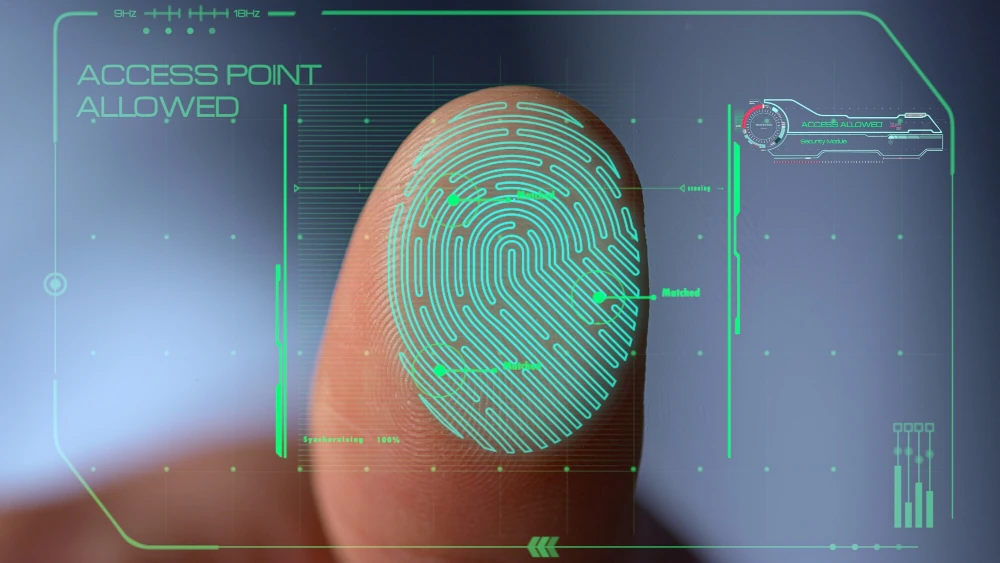
Yes. Punch cards and PIN codes run on the honor system. Anyone who has a coworker’s card or knows their PIN can clock them in. Biometric time clocks check a physical trait that belongs to one person before they record the punch.
Depending on the system, the clock might scan:
- Fingerprints
- Faces
- Palm prints
- Iris or retina patterns
Fingerprint and facial recognition are the most common in workplaces, and TimeTrak offers both.
Each employee verifies their own identity when clocking in or out, the same way they’d unlock their phone. A coworker can’t punch in for them because the clock won’t accept anyone else’s finger or face.
You also get attendance data you can trust. That means fewer timecard edits and fewer “I swear I was here” conversations.
What Are the Most Effective Ethical Buddy Punching Prevention Methods?
Biometric data is sensitive, and some states regulate how employers collect and store it. Illinois has the best-known law, but it isn’t the only state with one. Before you roll out a biometric clock, cover these bases:
- Check your state’s biometric privacy laws, along with any federal requirements
- Decide how long biometric records are kept, and don’t keep them longer than you need to
- Limit who can access employee biometric data
- Get written consent where the law requires it, and keep a record of it
- Offer a non-biometric option, such as a badge or PIN, where the law requires one
- Ask your vendor how they collect, store and protect biometric data
This protects your employees, and it protects you from legal exposure. If you’re not sure what applies in your state, talk to an employment attorney before you install anything.
How Does Stopping Time Theft Improve Payroll Accuracy?
Stopping time theft means payroll starts from records that show who actually worked. Your labor budgets and payroll reports are only as good as those records.
Verified punches make overtime easier to calculate. They also make it clear whether someone had an approved absence or simply missed a shift.
Managers spend less of each pay period chasing down discrepancies and fixing timesheets. And you get a clearer picture of what your staffing really costs.
How Can Managers Identify Suspicious Time Clock Activity?
Employers lose an average of 4.5 hours per week to time theft, according to Business Management Daily. The same source says 75% of companies lose money to buddy punching, which makes it the most common way employees steal time.
Start by looking for patterns in your attendance records. One missed punch is usually an honest mistake. The same discrepancy showing up week after week deserves a closer look.
Warning signs include:
- Multiple employees clocking in at the exact same time
- Clock-ins recorded from unexpected locations
- Repeated requests for timecard corrections
- Overlapping attendance records
- Gaps between scheduled and recorded hours
- Overtime nobody can explain
Don’t jump to conclusions. Compare the time records with the schedule and with what supervisors saw on the floor. That way you can spot a real problem without accusing an honest employee of fraud.
Frequently Asked Questions
Can Employers Change Employee Time Records Without Permission?
Employers can correct time entries that are wrong. They can’t erase hours an employee actually worked.
The Fair Labor Standards Act requires employers to keep accurate records of hours worked. Editing timecards to avoid paying overtime or to cut someone’s pay is a violation. Employees who see changes they didn’t agree to can raise it with their employer or file a complaint with the Department of Labor.
Do Small Businesses Need Formal Timekeeping Policies?
Yes. A five-person shop needs written rules just as much as a 500-person company. Maybe more, since there’s often no HR department to settle disagreements.
Keep it simple. Explain how employees should clock in and out, and spell out what happens when someone breaks the rules.
Can Employees Dispute Incorrect Clock-In Records?
Yes, and they should be able to. Set up a simple correction process where the employee gives the date of the shift and explains what’s wrong with the record.
A supervisor reviews the request and documents any change that gets approved. A clear process like this keeps payroll fair and heads off wage disputes before they start.
Stop Buddy Punching with a TimeTrak Biometric Time Clock
Hourly workers should get paid for every hour they work. They shouldn’t have to watch a coworker get paid for hours someone else punched in for them.
TimeTrak builds time and attendance systems for small businesses and larger companies. Our fingerprint time clocks and facial recognition tablet app make sure the person clocking in is the person on the schedule. Managers review and approve hours online, then export them to payroll.
Contact TimeTrak to talk through what would work for your team.