

Employee timesheet software simplifies payroll by capturing employee work hours accurately and organizing them for processing. It connects time tracking directly to payroll so you can calculate pay quickly and with fewer mistakes. This allows you to process payroll faster while keeping clear and consistent records of employee work hours.
An Ernst & Young survey reported by The Globe and Mail reveals that one in five payroll entries contains an error, with each mistake costing about $291 on average. Such issues often begin when work hours are recorded manually or tracked across disconnected systems.
Even small inaccuracies can move through the payroll process and create costly corrections. Employee timesheet software helps prevent this by recording time automatically and organizing it for payroll processing. This gives you clearer oversight of employee time management while improving payroll efficiency.
What Is Employee Timesheet Software and How Does It Work?
Employee timesheet software records, stores, and organizes employee work hours digitally. It replaces manual timesheets and spreadsheets with automated systems that capture time accurately. You get a structured process that includes:
- Clock-in and clock-out tracking
- Overtime and break calculations
- Manager approval workflows
- Payroll-ready reporting
The system ensures every entry is recorded consistently and securely. This structure eliminates ambiguity in time data and creates a reliable foundation for accurate payroll and workforce analysis.
Why Do Businesses Need Employee Timesheet Software for Payroll?
Reliable time data is the foundation of accurate payroll. Manual tracking often leads to errors, late submissions, and extra administrative work.
Using software ensures consistency and compliance. You gain benefits such as:
- Standardized time entries
- Automated overtime calculation
- Reduced payroll corrections
- Faster approvals and processing
Accurate, centralized data reduces administrative overhead and allows your payroll team to focus on strategic tasks. This improves employee time management across your organization.
What Types of Time Tracking Methods Do Employee Timesheet Systems Support?
Different teams have different needs. Choosing the right system depends on your workforce size, roles, and where your employees work. The right choice ensures accurate time tracking and reduces payroll errors.
Biometric Time Clocks
Biometric clocks use fingerprints to verify employee identity. This prevents buddy punching and ensures every entry is accurate. These systems work well in factories, warehouses, and retail environments where many employees need reliable time tracking.
Facial Recognition
Facial recognition systems identify employees without physical contact. They are fast, hygienic, and ideal for busy workplaces where multiple employees clock in at the same time. You get accurate attendance data without slowing down operations.
RFID / Proximity Cards
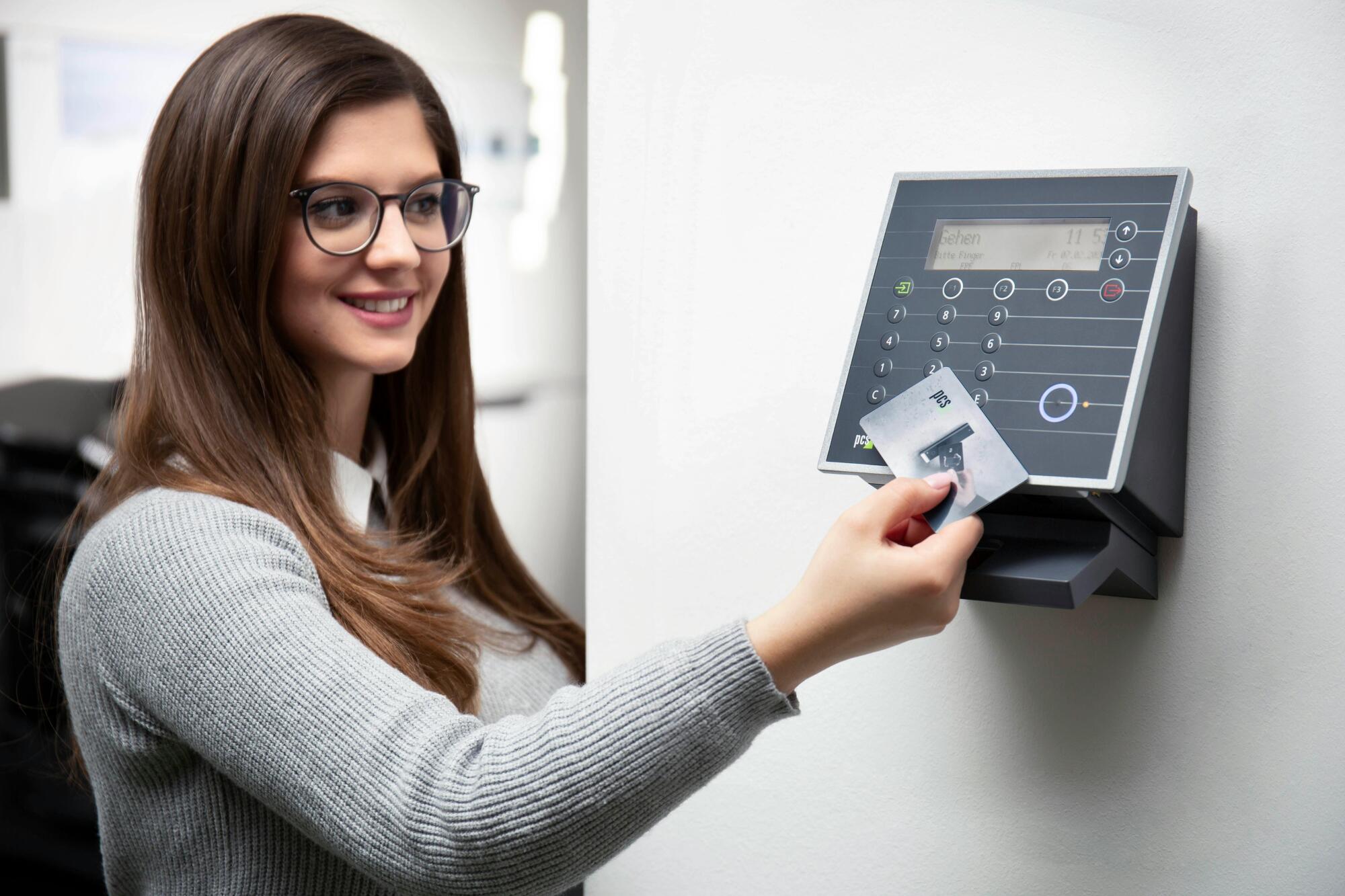
RFID and proximity card systems let employees clock in by tapping their ID cards. These are perfect for large teams or office environments with high foot traffic. They are easy to use and reduce manual tracking errors.
Mobile and Cloud Apps
Mobile apps and web portals let employees log hours from anywhere. These systems are ideal for remote teams, field workers, or distributed workforces. Managers get real-time access to verified hours and can approve time quickly.
Hybrid Systems
Hybrid systems combine hardware devices with cloud dashboards. Employees can clock in with devices, while managers view all records centrally.
This setup provides flexibility for different work types and locations. It also ensures your work hours tracker scales as your business grows.
Key Features to Look for When Choosing Employee Timesheet Software
Not all timesheet systems are built the same. When choosing one, focus on features that make payroll more accurate, ensure compliance, and give managers clear visibility. Some of the most important features include:
- Payroll integration
- Compliance monitoring
- Approval workflows
- Reporting and analytics
- Data security
A system with these features reduces administrative work and keeps your time data accurate. It also gives managers actionable insights and helps with long-term workforce planning. These capabilities make the software an essential time tracking solution for any business.
Practical Steps to Implement Employee Timesheet Software Successfully
Implementing a new timesheet system requires planning. A structured approach ensures smooth adoption and accurate time tracking from day one. Follow these practical steps:
- Assess workforce needs
- Choose the right system
- Configure rules and workflows
- Train employees and managers
- Test before full rollout
- Monitor adoption and performance
Starting with these steps helps reduce errors and administrative headaches. It also ensures that employees use the system correctly and managers can trust the data. Proper implementation turns your software into an effective employee time management tool.
Frequently Asked Questions (FAQs)
How Do I Choose the Right Employee Timesheet Software Company?
Choosing the right company is critical for a smooth implementation. Consider these key factors when evaluating potential providers:
- Proven track record
- Integration with payroll systems
- Customer support and training
- Scalable solutions
- Security and compliance
You can trust TimeTrak Systems for reliable software and expert guidance for seamless implementation. This ensures your automated payroll system runs accurately while supporting consistent employee time management across your workforce.
How Do I Train Employees on Biometric Clocks Without Resistance?
Rolling out new technology can feel intimidating for employees. Consider the following tips to make training smooth and encourage adoption:
- Clear explanation of purpose
- Hands-on demonstrations
- Step-by-step guidance
- Address privacy concerns
- Open feedback channels
Effective training builds confidence and encourages consistent use. When employees understand how to use the system, your time tracking solutions become more accurate.
How to Measure Post-Implementation Success of Employee Timesheet Software?
Implementing timesheet software is only the first step. Success can be measured using key performance indicators, such as:
- Payroll error reduction
- Timesheet submission compliance
- Manager approval efficiency
- Employee adoption rates
- Reporting and analytics usage
Reviewing these metrics highlights areas for improvement. It also confirms that payroll and time tracking processes are running smoothly.
Simplify Payroll Management With Employee Timesheet Software
Investing in employee timesheet software streamlines payroll and reduces errors. It provides clear visibility into employee work hours. Implemented properly, it ensures accurate, efficient, and reliable payroll processes for your organization.
At TimeTrak Systems, we have been a leader in employee time tracking since 1979, with over four decades of experience serving businesses of all sizes and industries. Our solutions include web, mobile, tablet, and physical clocks, plus advanced dashboards, PTO management, and biometric security.
Led by industry innovators, we provide hassle-free onboarding, U.S. based support, and seamless payroll integrations to simplify workforce management. Contact us today to optimize your workforce management.