

Practical steps to manage employee time theft without dragging down morale include setting clear expectations, using tools that prevent errors, and supporting managers with smarter scheduling. You can also address issues privately, remove barriers that cause accidental misreports, reward positive habits, and give employees real-time access to their own records.
What does it take to address time theft head-on without sending morale into a downward spiral? A thoughtful, transparent approach helps teams stay accountable while still feeling supported.
Solving time theft requires clarity, empathy, and smart systems. A balanced approach protects both your culture and your bottom line.
How Much Time Is Considered Time Theft?
Time theft happens when someone gets paid for hours they didn’t actually work. A few minutes here and there may not seem like much, but it builds up fast when it becomes a habit. Good time and labor management systems help you spot issues such as:
- Taking long breaks without approval
- Arriving late or leaving early
- Buddy punching
What Are the Consequences of Time Theft?
Time theft drains money and weakens trust between teams. When hours are lost, workloads shift unfairly, and morale drops because some people carry extra weight. By detecting time theft early, you protect payroll accuracy and send a clear message that fairness matters to everyone.
How Do Biometric Time Clocks Help Reduce Employee Time Theft?
Biometric systems stop time theft by linking attendance to each person’s unique traits, making it impossible to clock in for someone else. A fingerprint time clock confirms identity through touch, removing shared logins or false entries. It records exact start and stop times so you always know who was present and when.
A facial recognition time clock scans a worker’s face to verify presence. It keeps records accurate, saves time, and builds trust in payroll data.
How to Address Time Theft While Keeping Teams Engaged
Good employee time management starts with clear systems that make tracking fair and transparent for everyone. To keep your team engaged while reducing time theft, focus on these proven strategies:
Clarify Expectations With Simple, Transparent Policies
Most employee time theft happens because of confusion, not intent. To help everyone know what’s expected, have a clear, simple attendance policy that spells out:
- Start times
- Breaks
- Remote work rules
When people understand the boundaries, they’re more likely to stay accountable.
Keep your policy easy to follow so it feels like support, not control. Clarity reduces disputes and goes a long way toward improving workplace efficiency.
Use Technology That Reduces Errors, Not Trust
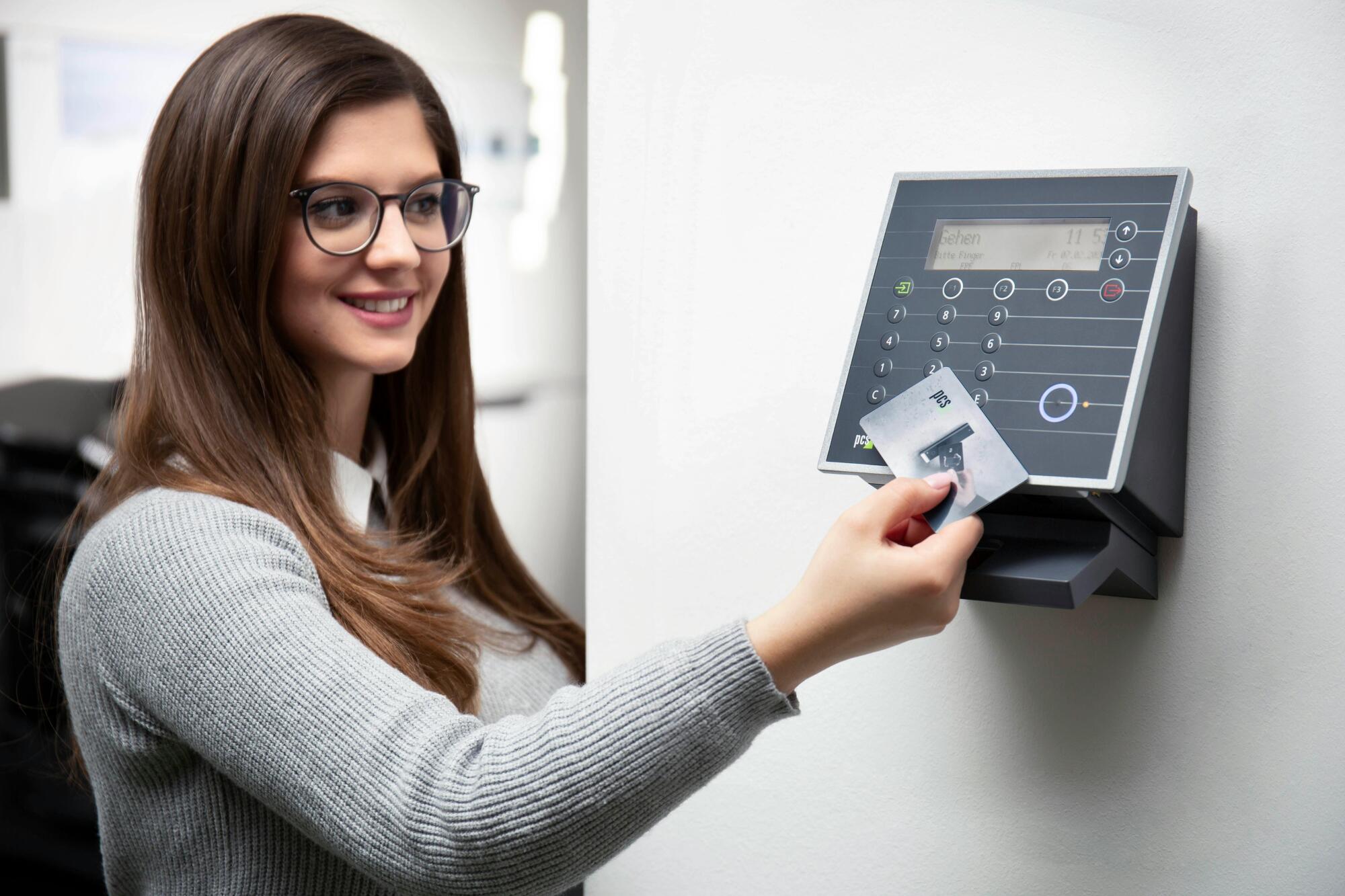
Accurate time and attendance tracking tools help you see the real picture of work hours without guesswork. They record each punch automatically, so you don’t have to rely on memory or manual logs that can cause errors. When employees see their time logged fairly, trust grows on both sides.
For instance, a reliable cloud time clock lets teams clock in from anywhere while keeping data secure in one place. It saves time for managers, reduces payroll mistakes, and keeps every shift accountable.
Guide Managers Toward Better Scheduling and Workload Decisions
Managers influence attendance through the way they plan shifts and assign tasks. Poor scheduling often pushes workers to cut corners, which makes learning how to prevent time theft a leadership skill, not just an HR rule. Teach managers to:
- Review workloads
- Match skills to demand
- Monitor fatigue
Fair, predictable schedules build structure that keeps everyone accountable.
Address Issues Privately and Respectfully
Handle time theft issues in private to protect trust and keep communication open. Review the records from your online time clock system before meeting so your feedback is based on facts. Calm, one-on-one conversations often uncover real causes like burnout and help fix the problem faster.
Reward Positive Attendance Habits
Positive reinforcement plays a big role in preventing employee dishonesty and shaping long-term behavior. When you recognize steady attendance or punctual habits, workers feel their effort matters. You can give simple rewards like:
- Shout-outs
- Small bonuses
- Flexible shifts
Doing so shows that accountability is valued and worth maintaining.
Remove Barriers That Cause Unintentional Time Theft
Unintentional time theft often comes from small system flaws, not bad intent. Common issues include:
- Slow or faulty systems
- Complex clock-in steps
- Sudden schedule changes
A dependable RFID Time Clock fixes those problems by logging time fast and accurately.
Give Employees Visibility Into Their Own Records
Transparency builds trust. Let employees see their own schedules, timecards, and hours in real time through an online system. When people can check their records on their own, disputes drop, and accountability grows naturally.
Frequently Asked Questions
Can You Sue an Employee for Time Theft?
Yes, it’s possible to take legal action if you can prove deliberate falsification of time records with solid evidence like logs or witness statements. In practice, the process is costly, hard to prove, and often damages trust at work. A better path is to correct pay issues, retrain staff, and strengthen your tracking systems.
How Do You Prove an Employee Is Stealing Time?
You prove time theft by comparing attendance data with real work output, such as task reports or entry logs. Clear gaps between recorded hours and actual performance confirm the issue. Gather written records, manager notes, and timestamps before addressing the employee to ensure the evidence is complete and fair.
What Is the Difference Between Wage Theft and Time Theft?
Wage theft happens when an employer withholds pay for hours worked, while time theft occurs when an employee accepts pay for hours not worked. One cheats the worker, the other cheats the business. Both hurt trust and can be prevented with clear policies and accurate time tracking systems.
Tackling Employee Time Theft With Confidence
Preventing employee time theft starts with clarity, fairness, and the right tools. By setting clear policies, improving tracking accuracy, and giving managers better scheduling support, you keep teams productive without harming morale. Open communication and transparent systems help everyone stay accountable and protect your company’s time.
At TimeTrak®, we’ve spent more than four decades helping businesses master labor management across every industry. Our 100% cloud-based platform includes automatic upgrades, keeping your system current without extra effort. Contact us to simplify your time tracking, protect productivity, and build a culture of trust that lasts.